To dream in Portuguese, the verb you need is sonhar: "eu sonho" (I dream), "eu sonhei" (I dreamed) and "sonhar com" (to dream about). And if you're wondering how to say dream in Portuguese as a noun, that's "sonho". But if you landed here, you probably want more than a translation: you want your brain to start dreaming in another language, and that's something you can actually train.
I see it all the time with my students: the day someone tells me "I dreamed in Portuguese last night" is a clear sign the language isn't staying in class anymore, it has started living in their head. Dreaming in Portuguese isn't magic, and it isn't only for people who live in Brazil. It comes from steady exposure to the language, especially in the hours before you fall asleep.
In this guide I show you how to dream in Portuguese with 11 practical tips: from building a sleep routine and reading for 30 minutes before bed to replaying your day in Portuguese, keeping a dream journal and learning lucid dreaming so you can even control what you dream about. And if you still mix up sono and sonho, start there: "sleep" and "dream" look almost identical in Portuguese, and learners swap them all the time.
How do you say dream in Portuguese?
Sonhar is a regular -ar verb, so it conjugates just like "falar": eu sonho, você sonha, nós sonhamos. To say "I dreamed" we use "eu sonhei", and for "to dream about" we say "sonhar com". Watch the preposition: in English you dream "about" or "of" something, but in Portuguese it's always "com" (with). To review more verb forms, including participles like "sonhado", check out regular and irregular past participles in Portuguese.
- "Ontem à noite eu sonhei em português." (Last night I dreamed in Portuguese.)
- "Eu sonho com a minha viagem ao Brasil." (I dream about my trip to Brazil.)
- "Você já sonhou em outro idioma?" (Have you ever dreamed in another language?)
- "Sonhe alto!" (Dream big!)
What does dreaming in another language mean?
Dreaming in another language means your brain already processes it without going through translation: the words come on their own, just like in your native language. Dreaming in a foreign language isn't an official fluency test, but it is a sign that Portuguese is no longer just a subject you study and has become part of your everyday life.
It's normal for your first dreams to be mixed, with characters speaking Portuguese while you answer in English. That happens because you still think by translating; once you learn to think in Portuguese without translating, dreams in Portuguese show up more often.
Video: How to Dream in Portuguese and Have Lucid Dreams
In the video I show you, step by step, how to dream in Portuguese and what I do to have lucid dreams, meaning dreams where you know you're dreaming. Watch it first, then use the 11 tips below as your practice list for this week.

1. LEARN TO HAVE LUCID DREAMS
A lucid dream is a dream where you realize you're dreaming and, sometimes, can decide what happens in it. In Portuguese it's called "sonho lúcido", and training it is one of the most direct ways to dream in Portuguese, because inside the dream you get to choose which language you speak.

- Learn dream control techniques by reading about lucid dreaming in Portuguese. Consuming content in Portuguese makes learning easier, and good sleep quality raises your chances of dreaming in Portuguese.
Article in Portuguese: O que são sonhos lúcidos e como estimulá-los
Article in Portuguese: Os riscos e benefícios de induzir sonhos lúcidos
2. HEALTHY EATING
What you eat at night affects your sleep quality, and broken sleep almost never leaves memories behind. A light dinner helps you reach the deeper stages of sleep, where dreams are more vivid; and if you want to combine both, make one of these recipes in Portuguese and practice the vocabulary while you cook.

- Avoid heavy meals before bed, since they can interfere with digestion and with your dreams. Go for light food to get calm sleep that's more likely to bring dreams.
Article in Portuguese: A Influência da Alimentação na Qualidade do Sono
3. BUILD YOUR SLEEP ROUTINE
A sleep routine means going to bed and getting up at the same time every day, with a small ritual before you sleep. Add 15 minutes of Portuguese to that ritual and you've got a habit: the Portuguese habit tracker helps you stick with it, and along the way you'll learn how to say I fell asleep in Portuguese.

- Set a regular sleep routine to dream more often and more clearly. Relaxing habits before bed, like meditation or reading, also encourage more vivid dreams.
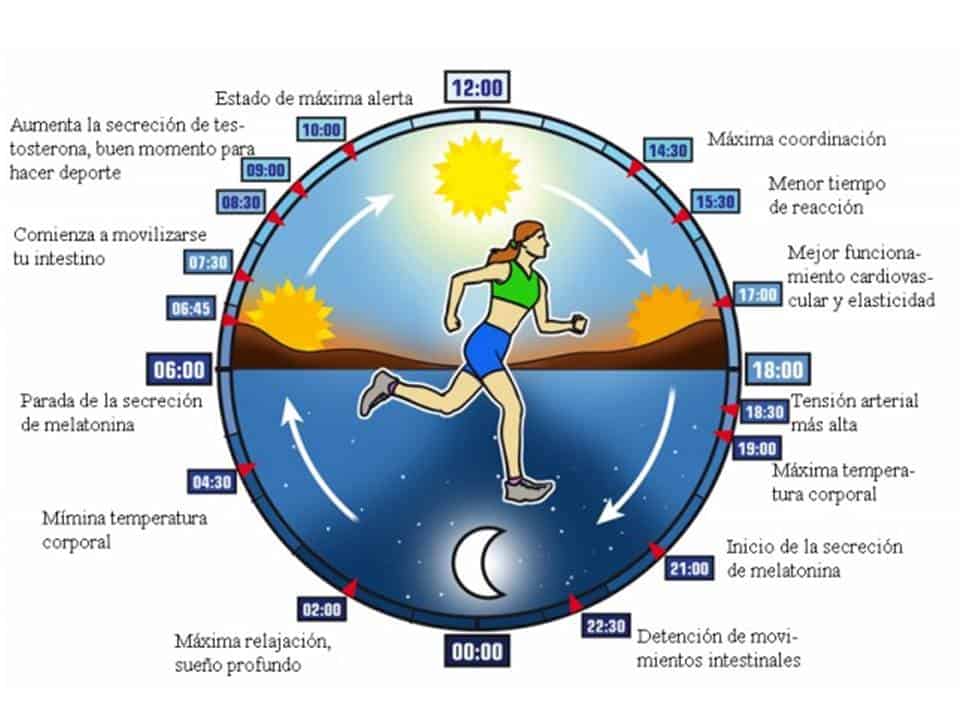
What Is the Circadian Rhythm?
The circadian rhythm is like an internal clock in our body that runs for about 24 hours and controls when we feel awake and when we feel sleepy. When it's dark, the body produces a hormone called melatonin that helps us fall asleep. Keeping a regular circadian rhythm is important for good rest.
Article in Portuguese: O que é Higiene do Sono e como criar a sua rotina para dormir bem
4. READ FOR 30 MINUTES BEFORE BED
Reading in Portuguese right before bed is one of the tricks that works best for me, because the last thing your brain processes before sleep often shows up in your dreams. Pick short, easy texts and leave the dictionary aside; if you don't know where to start, here are tips on how to read in Portuguese.

- Reading before bed improves dream quality and information retention. Consuming content in Portuguese makes learning easier and helps you remember what you study.
Article in Portuguese: Ler antes de dormir: um costume que seu cérebro adora
Short Stories in Portuguese With Life Lessons
Book Recommendations: Reading in Portuguese
5. RECAP YOUR DAY/WEEK
Recapping your day means telling yourself, in Portuguese, what you did since you woke up: "hoje eu acordei cedo e fui trabalhar" (today I woke up early and went to work). It's like putting together one of these mini stories in Portuguese in your head, and it keeps the language fresh right before you sleep.
- Mentally review the day's events in Portuguese to practice the language and boost your memory. This habit sets the stage for richer, more detailed dreams.
6. REPLAY YOUR CONVERSATIONS
Here the exercise is to relive a conversation from your day and ask yourself how you would have had it in Portuguese: what you'd say, how you'd reply and which expressions you'd use. Try phrases from colloquial Brazilian Portuguese, the way we actually talk in Brazil, instead of textbook phrases.
- Go over the day's events in Portuguese and imagine sharing your opinions about them. This builds fluency and critical thinking in the language and gets you ready to dream in Portuguese.
7. PICTURE OBJECTS WITH THEIR NAMES IN PORTUGUESE
Picturing objects with their Portuguese names means mentally naming what you see in your bedroom before you fall asleep: a cama (the bed), o travesseiro (the pillow), o abajur (the bedside lamp), a janela (the window). The more words you link to images, the more material your brain has to build dreams in Portuguese; if you're short on words, here's how to expand your Portuguese vocabulary.
- Visualize objects in Portuguese and create stories around them. This strengthens the link between objects and their Portuguese words.
Translating Isn't Knowing: The Big Mistake of Translating Everything
8. PICTURE YOURSELF SAYING YOU DREAMED IN PORTUGUESE
This tip is pure visualization: imagine the moment you tell someone "ontem eu sonhei em português!" (yesterday I dreamed in Portuguese!). When you rehearse that scene, the goal becomes concrete; and if speaking out loud still holds you back, read my tips to get over the fear of speaking Portuguese.
- Imagine telling other people you dreamed in Portuguese to reinforce your language practice.
9. TELL YOURSELF YOU WILL DREAM IN PORTUGUESE
An inner affirmation is a short sentence you repeat before bed, in Portuguese and in the future tense, for example: "hoje eu vou sonhar em português" (today I'm going to dream in Portuguese). It's a self-suggestion technique that's also used to induce lucid dreams; to build more sentences like this, review the future tense in Portuguese.
- Before bed, consciously affirm that you'll dream in Portuguese and picture situations where you speak the language fluently.
How to Use SONO and SONHO in Portuguese
THE BEST SLEEPING POSITION
Sleeping in the right position is key to your health. A comfortable posture promotes more restful sleep, lowers the risk of muscle pain and improves blood circulation. Keeping a good position helps prevent spine problems and ensures optimal rest for body and mind.

Article in Portuguese: Qual é a melhor posição para dormir?
Article in Portuguese: O que é paralisia do sono?
10. KEEP A DREAM JOURNAL
A dream journal, or "diário de sonhos", is a notebook next to your bed where you write down what you dreamed as soon as you wake up, before you forget it. Write it in Portuguese, even with mistakes: that way you train your dream memory and practice writing in Portuguese at the same time.

- Keep a dream journal to explore the dream world and strengthen your ability to recognize when you're dreaming, which makes lucid dreams easier.
Article in Portuguese: Como preencher o diário do sono
11. BE PATIENT
Dreaming in Portuguese doesn't happen overnight: for most of my students, it comes after weeks of daily contact with the language. In the meantime, keep adding hours of Portuguese with these tips to learn Portuguese faster.
- Learning a new language takes time, so be patient. With steady practice, you'll reach the goal of dreaming in Portuguese and even have lucid dreams more often.
MOVIES ABOUT LUCID DREAMING
These two movies revolve around lucid dreaming and are a great excuse to practice: watch them with Portuguese audio or subtitles. If you like the idea, here's how to learn Portuguese with movies without losing track of the story.
Inception
In Brazil, Inception is known as "A Origem": Christopher Nolan's movie about a team that enters other people's dreams, with dreams inside dreams.

Clips from "Inception" in Portuguese on YouTube here
Waking Life
Waking Life is an animated movie by Richard Linklater in which the main character lives through a lucid dream he can't wake up from, while talking about philosophy, consciousness and dreams.

Clips from "Waking Life" in Portuguese on YouTube here
A BOOK IN PORTUGUESE ABOUT SLEEP
If you want to understand what happens in your brain while you sleep and read in Portuguese at the same time, this popular science book is a good pick for intermediate or advanced learners. Here are more Brazilian Portuguese books for every level.
Por que nós dormimos - A nova ciência do sono e do sonho

"Por que nós dormimos" is the Brazilian edition of "Why We Sleep", by neuroscientist Matthew Walker, a study of how sleep benefits our physical and mental health. It explores how sleep affects learning, mood and health, and offers tips to improve sleep quality and prevent disorders like insomnia. If you've read it in English, the Portuguese version is great reading practice, since you already know the content.
You can get the book on Amazon here (Brazilian Portuguese edition)
*Some links on this page are affiliate links, and Philipe may earn a commission at no extra cost to you.
APPS TO TRACK YOUR SLEEP QUALITY
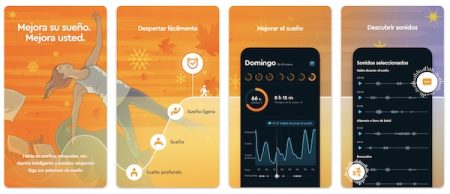
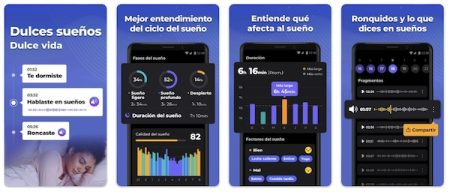
A sleep app tracks what time you fall asleep, how long you spend in deep sleep and the best moment to wake up. Set the app to Portuguese and you pick up vocabulary along the way: "sono profundo" (deep sleep), "sono leve" (light sleep) and "despertador" (alarm clock).