
Looking for the dar mole meaning? In Brazilian Portuguese, dar mole means to slip up, let your guard down or miss a chance because you weren't paying attention, a lot like "dropping the ball" in English. Add "pra alguém" and the meaning flips: dar mole pra alguém means flirting or showing someone you're interested.
It all comes from the adjective mole. Mole in Portuguese means soft, like a mattress or bread fresh out of the oven, and it has nothing to do with the little animal, the spot on your skin or the Mexican sauce. It sounds roughly like "MAW-lee": an open O like in "law" and a short final "ee" sound.
Here in Brazil we use mole for way more than texture: something easy ("é moleza", it's a piece of cake), a person with no backbone, or someone who slacks off at work. Below I'll show you what does dar mole mean in real conversations, the deu mole meaning (and "dei mole"), the corpo mole meaning, papo mole and other everyday expressions with mole, all with examples and English translations.
One extra detail: the verb amolecer (to soften) is the opposite of endurecer (to harden), and both work literally and figuratively, whether you're talking about a piece of meat or someone's heart.
Video: How to use the word MOLE
In this short video I show you how we use the word mole in Portuguese in everyday phrases, with the right pronunciation. Watch it first, then go through each expression below with its meaning and a practical example.

Mole
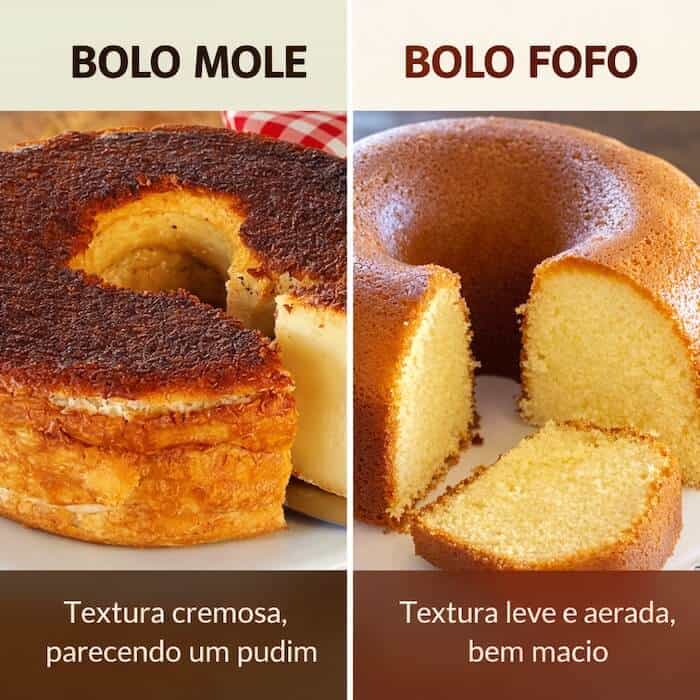
Mole is the literal, most basic meaning: soft, squishy or not firm, the opposite of "duro" (hard). We use it for mattresses, fruit, bread or meat, and it also shows up in popular sayings like the one in the image. If you enjoy them, check out these Brazilian sayings.
Something soft to the touch or not firm.
- Esse colchão é muito mole, minhas costas não aguentam. (This mattress is way too soft, my back can't take it.)

Papo mole
Papo mole is empty talk, full of excuses or promises nobody's going to keep; we also say "conversa mole". Think "all talk" or "hot air" in English, and it's one of the pieces of Brazilian Portuguese slang you'll hear the most.
Talk that isn't serious, evasive or noncommittal.
- Chega de papo mole e vamos resolver o problema. (Enough with the empty talk, let's solve the problem.)
Pessoa mole (medrosa)
When we say someone is mole, we're talking about their character: a person with no backbone, who chickens out or can't set boundaries. It's a critical remark, so use it carefully; among the most common Brazilian Portuguese expressions you'll find other ways to describe people.
A person without backbone, who avoids facing tough situations.
- Ele é muito mole, foge de qualquer responsabilidade. (He's such a pushover, he runs away from any responsibility.)
20 Irregular verbs in Portuguese
Bolo mole
Bolo mole is a really moist cake, almost creamy inside, and for us that's a compliment, not a flaw. Don't confuse it with "bolo fofo" (light and fluffy); the image shows you the difference. If it made you hungry, check out these typical Brazilian foods.
A soft, moist and spongy dessert.
- Esse bolo mole derrete na boca. (This moist cake melts in your mouth.)
Pessoa molenga
Molenga comes from mole and describes someone slow, low on energy or physically lazy, like the person who's half asleep after lunch. It's gentler than "pessoa mole" and we almost always say it jokingly.
Someone with little energy, sluggish or not up for physical effort.
- Depois do almoço ele fica todo molenga. (After lunch he gets all sluggish.)
Dar mole
Dar mole means getting careless or letting a chance slip by because you weren't paying attention, making it easy for someone else to take advantage. In English it's close to "dropping the ball" or "letting your guard down". You'll hear it a lot in the past tense: "deu mole" (he or she slipped up) and "dei mole" (I slipped up).
To get careless, miss an opportunity or make something easy without meaning to.
- Ele deu mole e perdeu a vaga de emprego. (He dropped the ball and lost the job opening.)
11 Portuguese false friends that will embarrass you
Dar mole pra alguém
Dar mole pra alguém means showing romantic interest or making it clear you're available so the other person feels free to make a move. It's the most common way to say someone is flirting, and it's usually the first step when dating in Brazil.
- Acho que ela tá dando mole pra você, vai lá falar com ela. (I think she's flirting with you, go talk to her.)
Isso é moleza / Tá mole!
Moleza means something really easy, what you'd call "a piece of cake" in English. We say "isso é moleza" or, shorter, "tá mole!" when a task takes no effort at all, and with some practice even Brazilian Portuguese grammar becomes moleza.
Something extremely easy to do or solve.
- Essa prova tá mole, nem precisei estudar. (This test is a piece of cake, I didn't even need to study.)
Article in Portuguese: Como ir bem na prova da faculdade: guia rápido com 10 estratégias
É mole?
É mole? is an ironic question used to show outrage or disbelief, something like "can you believe it?". Even though it comes from moleza, here it means the opposite: the situation is anything but easy and you're already fed up with it.
- Três horas no trânsito pra andar dois quilômetros, é mole? (Three hours in traffic to move two kilometers, can you believe it?)
Ficar de moleza
Ficar de moleza means lounging around doing nothing, just because you feel like it and with zero guilt. It's the perfect Sunday plan, and it combines the noun moleza with the verb ficar, one of the most versatile verbs in Portuguese.
Resting, relaxed, doing nothing.
- No domingo eu só quero ficar de moleza em casa. (On Sunday I just want to lounge around at home.)
FICAR in Portuguese and its 20 meanings in everyday expressions
Corpo mole
Fazer corpo mole means doing the bare minimum or pretending to work so you don't have to finish a task; we use it for the slacker at the office or at school. In English it's close to "slacking off" or "dragging your feet". It even shows up in news headlines and goes well with other work expressions in Portuguese.
The attitude of someone who doesn't make an effort or works half-heartedly.
- O funcionário ficou fazendo corpo mole o dia inteiro. (The employee was slacking off all day.)

Boca mole
Boca mole describes a person who can't keep a secret and tells everything they hear, what you'd call a "blabbermouth" in English. It's a somewhat critical nickname, so think twice before telling anything important to someone known for being boca mole.
- Não conta nada pro Pedro, ele é boca mole. (Don't tell Pedro anything, he's a blabbermouth.)
Coração mole
Coração mole is a kind-hearted person who gets moved easily and can't say no, a real "softie" in English. Unlike "pessoa mole", the tone here is positive: we're talking about someone sensitive and generous.
- Minha avó tem o coração mole, chora com qualquer novela. (My grandma is such a softie, she cries at every soap opera.)
Frequently asked questions about mole in Portuguese
Mole in Portuguese means soft. Figuratively it describes something easy (moleza) or a person who is weak or has no backbone, and it shows up in expressions like dar mole, corpo mole and papo mole.
Dar mole means getting careless or missing a chance, like "dropping the ball" in English. With "pra alguém" the meaning changes: dar mole pra alguém means flirting or showing romantic interest.
No. In Portuguese mole is an adjective that means soft; it has nothing to do with the Mexican sauce, the animal or a mole on your skin. If you want to talk about the dish in Brazil, the clearest way is to say "mole mexicano".


